Community Care: Understanding the Lifespan of HOA Infrastructure
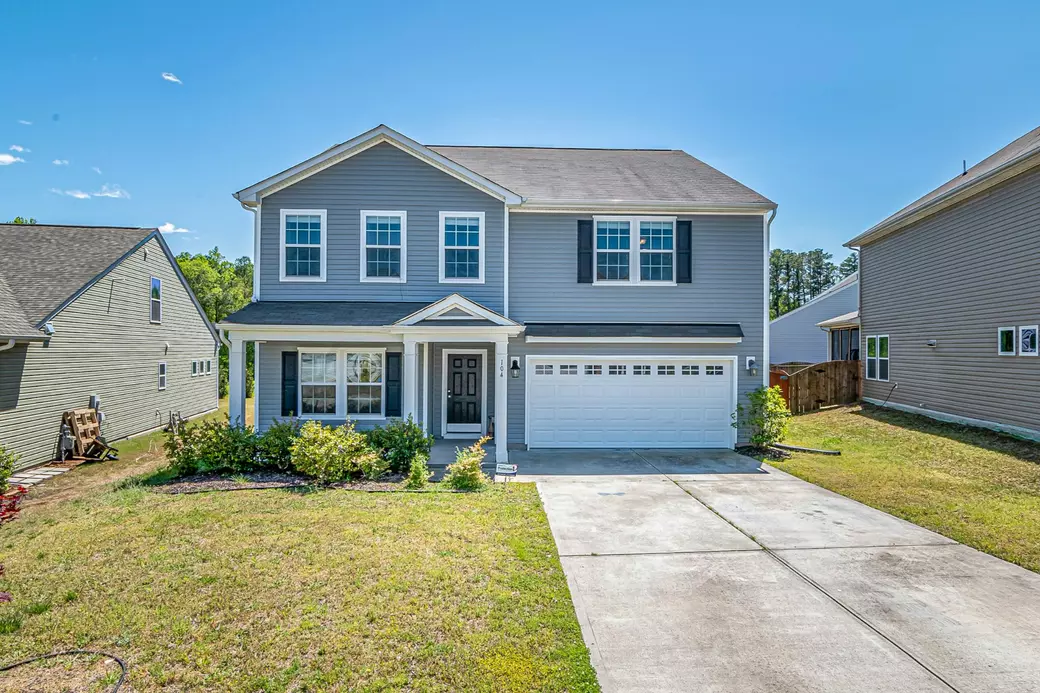
Imagine your neighborhood as a living, breathing system.. roads like arteries, playgrounds the heartbeat, and a community pool offering everyone a chance to breathe easy on summer days. Just like our bodies, the infrastructure within a Homeowners Association (HOA) community requires routine care, and none of it lasts forever.
Understanding how long key elements of a neighborhood are built to last helps protect not only home values but also the comfort and safety of everyone who calls the community home.
What Counts as HOA Infrastructure?
HOA infrastructure includes everything the association maintains for the shared benefit of residents. That typically means:
-
Roads, sidewalks, and parking lots
-
Pools and clubhouses
-
Playgrounds and sports courts
-
Landscaping and irrigation systems
-
Perimeter fencing and security gates
-
Roofs and walls of common buildings
-
Lighting, signage, stormwater systems, and more
Each of these has a lifespan and smart planning helps keep things functional and beautiful for the long haul.
Lifespan of Common HOA Assets
Here’s a general guide for how long major community elements typically last (with proper maintenance):
-
Asphalt roads & parking lots: 15–25 years
-
Swimming pools: 15–30 years (pool pumps/filters: every 5–10 years)
-
Playground equipment: 10–20 years
-
Roofs on shared buildings: 20–30 years
-
Exterior lighting: 10–15 years
-
Irrigation systems: 10–15 years
-
Fencing: 15–25 years depending on material
But these numbers are optimistic - usage, weather, and deferred maintenance can speed up deterioration.
The Power of Preventive Maintenance
Think of maintenance like oil changes for your car. Sealing asphalt cracks, inspecting pool equipment, or painting perimeter walls every few years prevents expensive breakdowns later. A little effort now can save thousands in major repairs down the road and keep your community looking top-tier.
The Importance of Reserve Studies
HOA boards have a powerful planning tool: the reserve study. This professional assessment inventories all major assets, estimates how long they’ll last, and calculates how much money should be set aside for repair or replacement.
It’s basically a financial crystal ball for the next 20–30 years and helps avoid surprise special assessments or budget gaps.
🗓️ What to Expect as Communities Age
Here’s how infrastructure demands typically evolve over time:
Years 1–14
Mostly minor upkeep and inspections:
-
Exterior painting (pool house, clubhouse)
-
HVAC checks
-
Pool equipment servicing
-
Crack sealing and surface coating of roads
Years 15–20
Bigger updates start surfacing:
-
Roof replacement
-
Kitchen remodels in common areas
-
Pool furniture upgrades
-
Playground repairs
-
Fencing repair/replacement
-
Asphalt overlays
Years 25–30
Critical upgrades needed:
-
Concrete/stucco restoration
-
Bathroom remodels in amenities
-
Pool resurfacing
-
Structural inspections
-
HVAC replacements
-
Exterior doors, painting, gutters
40-Year Mark
Thorough assessment required:
-
Electrical panels
-
Window replacements
-
Full road resurfacing
-
Retaining walls
-
Perimeter wall restoration
-
Stormwater system reviews
Long-Lived Elements
Some assets age slowly but require consistent monitoring:
-
Sidewalks
-
Gutters
-
Storm ponds
-
Entrance monuments
-
Brick/stone perimeter fencing
How Homeowners Can Get Involved
You don’t need to be on the HOA board to make a difference.
-
Attend meetings
-
Ask about reserve studies and maintenance plans
-
Advocate for long-term planning and transparency
-
Support responsible budgeting
An informed and engaged community makes stronger, smarter decisions for everyone involved.
In Closing: Protecting Our Neighborhoods Together
At Buy Georgia Realty, we care deeply about the communities we serve. Helping homeowners stay informed about things like HOA infrastructure isn’t just smart, it’s how we protect long-term value, safety, and peace of mind.
Strong communities aren’t built overnight. They’re maintained, improved, and thoughtfully cared for over time. Whether you’re buying into an HOA or serving on one, understanding what’s under the surface is key to protecting what we all call home.
📩 Have questions about buying or selling in an HOA community? Need help understanding a reserve study before you list? We’re here to help, because we’re more than just your real estate team. We’re your neighbors. Buy Georgia Realty | 470-622-7887

Categories
- All Blogs (120)
- Advocate (9)
- Appraisals (4)
- Avoiding Probate (1)
- Brokerage (13)
- Building (1)
- Buying (57)
- Career (1)
- Closing Insurance (1)
- Commercial (2)
- Commission (2)
- Compensation (1)
- Cortney Michelle (1)
- Decor (1)
- Divorce (2)
- Divorce Decree (1)
- Due Diligence (2)
- DYI (1)
- Embracing the Downsizing Journey (5)
- Enhancing Appeal through Upgrades and Staging (2)
- Equity (2)
- Estate Planning (2)
- Exploring Retirement Living Options (1)
- FHA (3)
- Financing & Mortgage Tips (3)
- First Time Buying (16)
- Friendship (3)
- Georgia Real Estate (32)
- Georgia, USA (37)
- Growing (3)
- Hidden Protection (9)
- Highlighting Unique Features (2)
- HOA (4)
- Holiday Events (3)
- Home Inspection (7)
- Home Maintenance (5)
- Homebuyer Education (5)
- Homeowner Protection (17)
- Homeownership (43)
- Insurance (3)
- Janae Garrett (1)
- Land Trust (1)
- Lease Negotiation (2)
- Lender's Title Insurance (1)
- Lending (10)
- Licensed and Insured (1)
- Market (19)
- Marriage (1)
- Melissa St. Germain (1)
- Mortgage (5)
- Moving (11)
- NAR Settlement (2)
- New Home Journey (14)
- Owner's Title Insurance (1)
- Packing (2)
- Paulding, GA (1)
- Professional Advice (20)
- Property Damage (1)
- Property Taxes (4)
- Quitclaim Deed (1)
- Real Estate (54)
- Real Estate Closing Attorney (5)
- Relocation (15)
- Renee Sneed (1)
- Research and Review (5)
- Retirement Living (2)
- Sales and Acquisitions (4)
- Selling (29)
- Senior Home Solutions (3)
- Senior Housing (2)
- Seniors (3)
- Smart Pricing and Incentives (1)
- Summer (3)
- Title Search (2)
- Transfer Ownership Rights (1)
- VA Home Buying (4)
- VA Loans (1)
- Zoning (2)
Recent Posts






GET MORE INFORMATION